Arabica vs Robusta: The African Perspective
TL;DR:
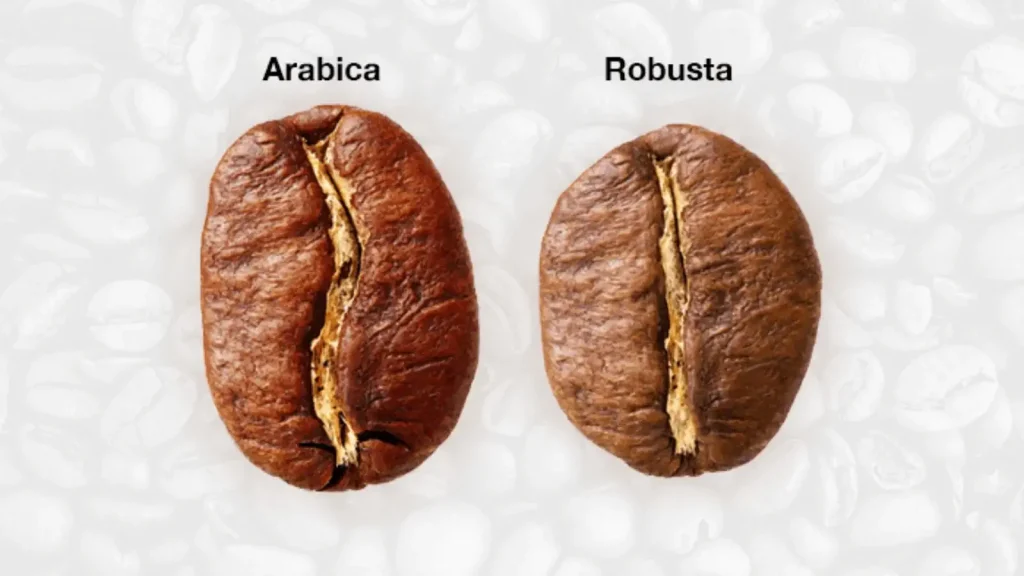
African coffee lovers and producers know that Arabica vs Robusta are more than just coffee types—they shape taste, economy, and culture. Arabica offers smooth, floral, and fruity notes, thriving in high-altitude African regions. Robusta is hardier, more bitter, and higher in caffeine, often used for espresso blends. Understanding the differences helps farmers, roasters, and coffee enthusiasts appreciate Africa’s diverse coffee heritage.
Introduction: Africa’s Coffee Legacy
Africa is the cradle of coffee, home to the legendary Ethiopian Arabica and significant Robusta plantations in countries like Uganda, Ivory Coast, and Cameroon. The continent’s unique climate, altitude, and soil conditions have made it the ultimate playground for coffee cultivation.
While Arabica dominates in premium coffee markets, Robusta remains vital for African farmers and global coffee production. Understanding the differences between these two species is crucial to appreciating Africa’s coffee economy, culture, and flavor diversity.
☕ What Are Arabica and Robusta?
Arabica (Coffea arabica)
-
Origin: Ethiopia
-
Altitude: 1,200–2,200 meters
-
Flavor profile: Smooth, floral, fruity, high acidity
-
Caffeine content: ~1.2%
-
Market position: Premium specialty coffee
Arabica plants thrive in cool, high-altitude climates and require meticulous care. They are more sensitive to pests, diseases, and climate fluctuations, which is why Arabica beans command higher prices globally.
Robusta (Coffea canephora)
-
Origin: Congo Basin
-
Altitude: Sea level to 800 meters
-
Flavor profile: Bitter, earthy, chocolatey, nutty, low acidity
-
Caffeine content: ~2.2%
-
Market position: Mass-market coffee, espresso blends, instant coffee
Robusta is hardy, drought-resistant, and disease-tolerant, making it ideal for lower-altitude regions. It grows faster and yields more beans per hectare, which is why it’s essential for local consumption and export in Africa.
African Regions Known for Arabica
1. Ethiopia
-
The birthplace of Arabica
-
Regions: Yirgacheffe, Sidamo, Harrar
-
Profile: Jasmine, blueberry, lemon, floral notes
2. Kenya
-
High-altitude farms (1,500–2,100m)
-
Profile: Bright acidity, blackcurrant, tomato-like notes
-
Known for “Kenya AA” beans, a premium designation
3. Rwanda & Burundi
-
Volcanic soils, moderate rainfall
-
Profile: Sweet, fruity, mild chocolate notes
Arabica beans in Africa benefit from heirloom varieties and traditional farming methods, making them highly prized in specialty coffee markets worldwide.
African Regions Known for Robusta
1. Uganda
-
Largest Robusta producer in Africa
-
Profile: Earthy, chocolatey, high caffeine
-
Popular for espresso blends and instant coffee
2. Ivory Coast
-
Lower-altitude plantations
-
Profile: Bitter, nutty, robust body
3. Cameroon & DR Congo
-
Traditional Robusta farms supplying local and international markets
Robusta beans are economically vital, supporting millions of farmers who depend on its resilience and consistent yield.
⚖️ Key Differences Between Arabica and Robusta
| Feature | Arabica | Robusta |
|---|---|---|
| Origin | Ethiopia | Congo Basin |
| Altitude | 1,200–2,200 m | Sea level – 800 m |
| Flavor | Smooth, floral, fruity | Bitter, earthy, chocolatey |
| Acidity | High | Low |
| Caffeine | ~1.2% | ~2.2% |
| Plant Hardiness | Sensitive | Hardy |
| Price | Premium | Affordable |
Taste vs. Resilience: Arabica offers a refined experience for connoisseurs, whereas Robusta delivers a strong caffeine kick and economic reliability.
You might like: African vs. Latin American Coffee: What Makes It Unique?
☕ How Africa Uses Arabica vs Robusta
-
Domestic consumption: In countries like Uganda, Ivory Coast, and Cameroon, Robusta is the staple for home brewing.
-
Export: Arabica dominates international specialty coffee markets, particularly from Ethiopia, Kenya, and Rwanda.
-
Blends: Many African coffee roasters blend Arabica and Robusta to balance flavor, body, and caffeine, especially for espresso.
The Economic Perspective
-
Arabica: Higher global demand, premium pricing, niche markets
-
Robusta: Reliable yield, cheaper production, essential for instant coffee and espresso blends
African coffee economies rely on both species. Arabica attracts international recognition and specialty coffee tourism, while Robusta sustains local consumption and mass export revenue.
Brewing Tips for African Arabica vs Robusta
Arabica:
-
Water temp: 90–96°C (194–205°F)
-
Brewing: Pour-over, Chemex, AeroPress
-
Grind: Medium-fine
-
Notes: Highlight fruity and floral flavors
Robusta:
-
Water temp: 93–96°C (200–205°F)
-
Brewing: Espresso or French press
-
Grind: Fine
-
Notes: Emphasize chocolatey, earthy richness and high caffeine
Pro tip: For a traditional African experience, try a half-Arabica, half-Robusta blend—smooth yet robust.
Sustainability and African Coffee
Both Arabica and Robusta face climate-related challenges:
-
Arabica: Vulnerable to temperature changes, pests, and deforestation
-
Robusta: Hardier but still affected by soil depletion and monoculture
Supporting ethically sourced African coffee helps preserve biodiversity, traditional farming practices, and smallholder livelihoods.
Conclusion: A Dual Legacy
Africa’s coffee story is one of diversity, resilience, and flavor. Arabica and Robusta serve complementary roles:
-
Arabica: Celebrated globally for taste and heritage
-
Robusta: Sustains local economies and delivers a bold, strong coffee
Understanding the African perspective of these two species enhances appreciation for the continent’s unique contribution to global coffee culture. Every sip carries history, geography, and community.
❓ FAQs
1. Which African countries grow Arabica?
Primarily Ethiopia, Kenya, Rwanda, Burundi, Tanzania, and parts of Uganda.
2. Which African countries grow Robusta?
Mainly Uganda, Ivory Coast, Cameroon, DR Congo, and parts of Ghana.
3. Which is more expensive, Arabica or Robusta?
Arabica is usually more expensive due to delicate growing conditions and premium global demand.
4. Can you blend African Arabica and Robusta?
Yes. Blends balance flavor, body, and caffeine—perfect for espresso or home brewing.
5. Why is African Arabica considered the best?
High-altitude growth, heirloom varietals, volcanic soils, and careful cultivation contribute to complex flavors and aroma.