The Rise of Rwandan Specialty Coffee: Africa’s Hidden Gem

TL;DR:
Rwanda has emerged as a specialty coffee powerhouse in Africa, known for high-altitude Arabicas, volcanic soils, and cooperative farming. Explore with us, the surge on Rwandan Specialty Coffee. With vibrant fruit notes, balanced acidity, and growing global recognition, Rwandan coffee is making its mark among enthusiasts, roasters, and exporters worldwide.
Introduction: Rwanda’s Coffee Renaissance
Rwanda, often called the “Land of a Thousand Hills,” has a coffee story that blends resilience, quality, and innovation. While historically overshadowed by Ethiopia and Kenya, Rwanda has steadily built a reputation for specialty coffee, combining smallholder cooperatives, careful processing methods, and high-altitude cultivation.
In the last decade, Rwandan coffee has captured the attention of specialty coffee buyers globally, contributing to both economic growth and social development in rural communities.
Rwanda’s Unique Coffee Geography
Rwanda’s mountainous terrain and volcanic soils provide optimal conditions for coffee cultivation. Key characteristics include:
-
Altitude: 1,200–2,000 meters above sea level, perfect for Arabica beans
-
Climate: Balanced rainfall and sunny days, essential for bean maturation
-
Soil: Rich volcanic minerals, enhancing flavor complexity
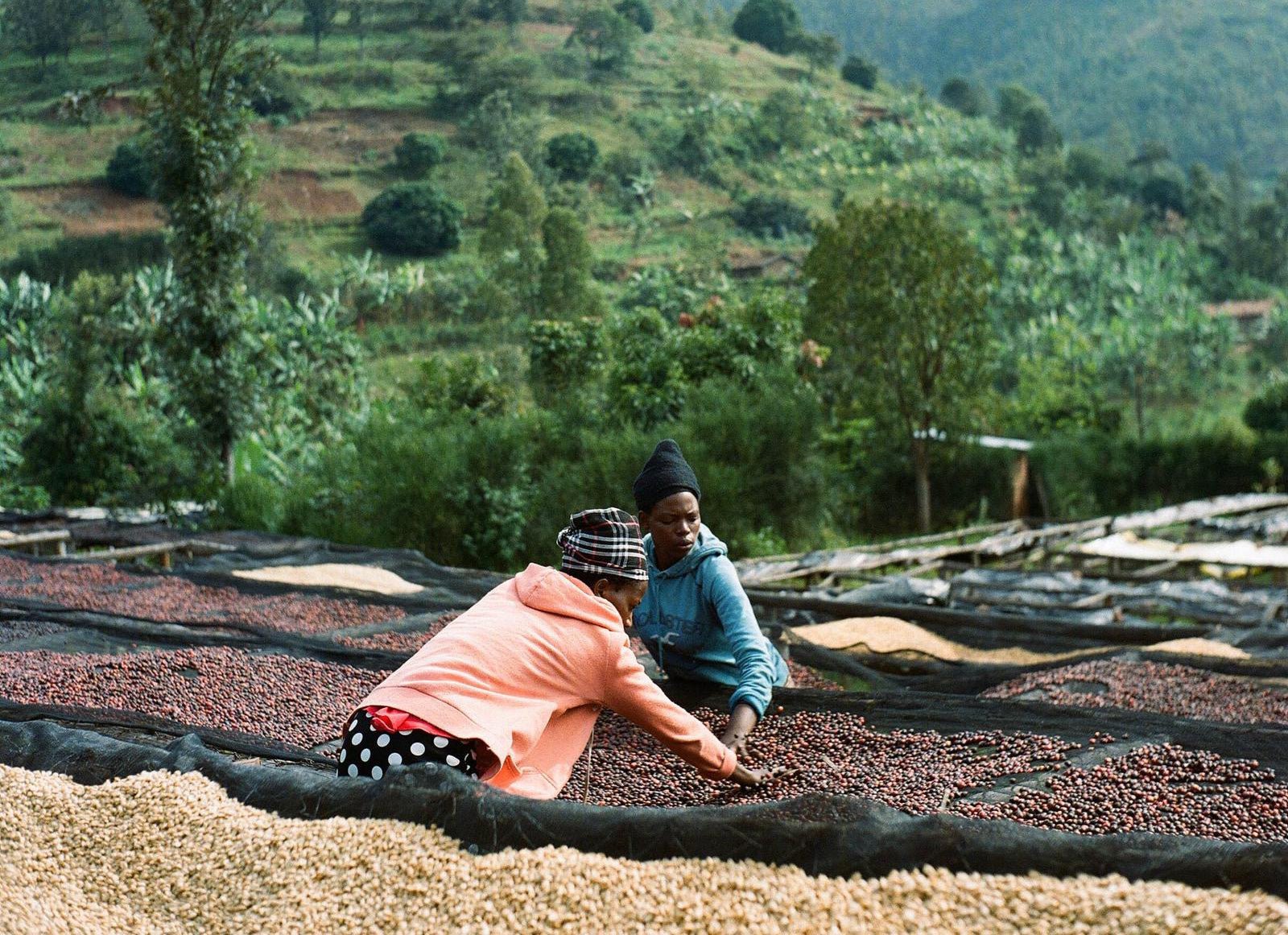
The country’s hilly geography also promotes small, terraced farms, which encourage careful attention to plant health and harvesting quality beans.
☕ Specialty Arabica Varieties
Rwandan coffee primarily consists of Arabica beans, including the Bourbon and Typica varietals. These beans are known for their bright acidity, red fruit undertones, and smooth chocolatey notes, making them ideal for filter coffee, pour-over, and espresso.
Farmers in Rwanda often employ washed (wet) processing methods, which help preserve clarity and crispness in flavor, a hallmark of specialty-grade coffee.
The Specialty Coffee Movement in Rwanda
Over the past 15 years, Rwanda has focused on quality-driven coffee production, largely through:
-
Cooperative Models: Smallholder farmers collaborate to improve farming practices, processing, and marketing.
-
Micro-Lots: Select beans from small farms are sold as premium micro-lots, often fetching higher prices.
-
Direct Trade Relationships: Partnerships with global specialty coffee roasters bypass intermediaries, ensuring better compensation for farmers.
-
Sustainable Practices: Emphasis on organic fertilizers, shade-grown coffee, and environmental preservation.
These initiatives have allowed Rwanda to compete with traditional coffee powerhouses like Kenya and Ethiopia.
Processing Methods: Washed vs. Natural
Rwandan coffee is predominantly washed, where beans are fermented, washed, and sun-dried, resulting in:
-
Cleaner flavor profiles
-
Bright, fruity acidity
-
Smooth body
Some producers experiment with natural (dry) processing, which can introduce tropical fruit and wine-like notes, appealing to adventurous specialty coffee drinkers.
Economic Impact
The rise of specialty coffee has transformed Rwanda’s coffee sector:
-
Higher Incomes for Farmers: Specialty beans fetch 2–5x higher prices than standard commercial coffee.
-
Community Development: Cooperative earnings fund education, healthcare, and infrastructure projects.
-
Global Recognition: Rwandan beans are now featured in international coffee competitions, increasing brand visibility and export potential.
Flavor Profile Highlights
Rwandan coffee is often described as:
-
Aroma: Floral, jasmine-like
-
Acidity: Bright, crisp, sometimes lemony
-
Body: Medium, silky
-
Taste Notes: Red berries, stone fruit, chocolate, caramel undertones
These profiles make Rwandan coffee versatile, suitable for single-origin brews, espresso blends, and specialty coffee experiences.
Awards and Global Recognition
Rwanda’s commitment to quality has led to international accolades, including:
-
Cup of Excellence Winners: Highlighting Rwanda’s top micro-lots
-
Specialty Coffee Associations: Increased participation and recognition
-
Global Barista Competitions: Featuring Rwandan beans in championship routines
This recognition boosts Rwanda’s reputation and positions its coffee as a sought-after product in specialty markets.
☕ Brewing Tips for Rwandan Coffee
To fully appreciate Rwanda’s unique flavors, try these brewing methods:
| Method | Notes |
|---|---|
| Pour-Over / V60 | Highlights red fruit and citrusy notes |
| Chemex | Clean, crisp cup showcasing floral aroma |
| Espresso | Smooth body, balanced acidity |
| French Press | Rich, chocolatey undertones with medium body |
Why Rwandan Specialty Coffee Matters
-
Quality Over Quantity: Focused on flavor, not mass production
-
Economic Empowerment: Supports smallholder farmers and communities
-
Cultural Heritage: Coffee is intertwined with Rwanda’s identity and history
-
Sustainability: Encourages environmentally friendly farming practices
-
Global Market Influence: Puts Rwanda on the map as a premium coffee destination
❓ FAQs
1. What makes Rwandan coffee unique?
Rwandan coffee stands out due to high-altitude cultivation, volcanic soils, washed processing, and meticulous smallholder farming, creating vibrant fruity flavors and bright acidity.
2. Is Rwandan coffee mostly Arabica or Robusta?
Rwanda primarily produces Arabica coffee, with Robusta grown in smaller quantities in select lowland areas.
3. How do cooperative models benefit Rwandan farmers?
Cooperatives improve access to quality training, processing facilities, and international buyers, leading to higher income and better livelihoods.
4. What brewing method highlights Rwandan coffee’s flavors best?
Pour-over, Chemex, and French press methods are ideal to experience the bright fruit notes and smooth chocolate undertones.
5. Can Rwandan coffee compete with Kenyan and Ethiopian beans?
Yes. Specialty Rwandan coffee has gained international recognition and is prized for its unique flavor profiles and sustainable production practices.