Top 10 African Coffee Beans to Try in 2025: Discover the Continent’s Finest Flavors

TL;DR:
Africa is home to some of the most vibrant, complex, and aromatic coffees in the world. From Ethiopia’s legendary Yirgacheffe to Rwanda’s sweet Bourbon and Kenya’s winey AA beans, this list highlights the top 10 African coffee beans to try in 2025—each offering a unique flavor journey shaped by altitude, soil, and culture.
☕ Introduction: The Renaissance of African Coffee
As coffee lovers search for more authentic and traceable experiences, African coffee is reclaiming the global spotlight in 2025.
Long known as the birthplace of coffee, Africa’s regions—from the highlands of Ethiopia to the volcanic slopes of Mount Kilimanjaro—offer beans that define the future of specialty coffee.
With greater investment in sustainable farming, improved cooperatives, and climate-resilient varietals, African coffee isn’t just heritage—it’s innovation.
This year, these ten origins stand out for their quality, ethical sourcing, and unforgettable taste.
1. Ethiopia Yirgacheffe — The Iconic Floral Classic
Region: Southern Ethiopia
Flavor Profile: Jasmine, citrus, honey, light body
Roast Recommendation: Light to medium
Often called the “Champagne of Coffee”, Yirgacheffe is the gold standard of African beans. Grown at high altitudes and washed for clarity, its floral aroma and tea-like brightness make it perfect for pour-over enthusiasts.
In 2025, look for micro-lots from cooperatives in Kochere and Aricha, which are experimenting with anaerobic fermentation for even deeper complexity.
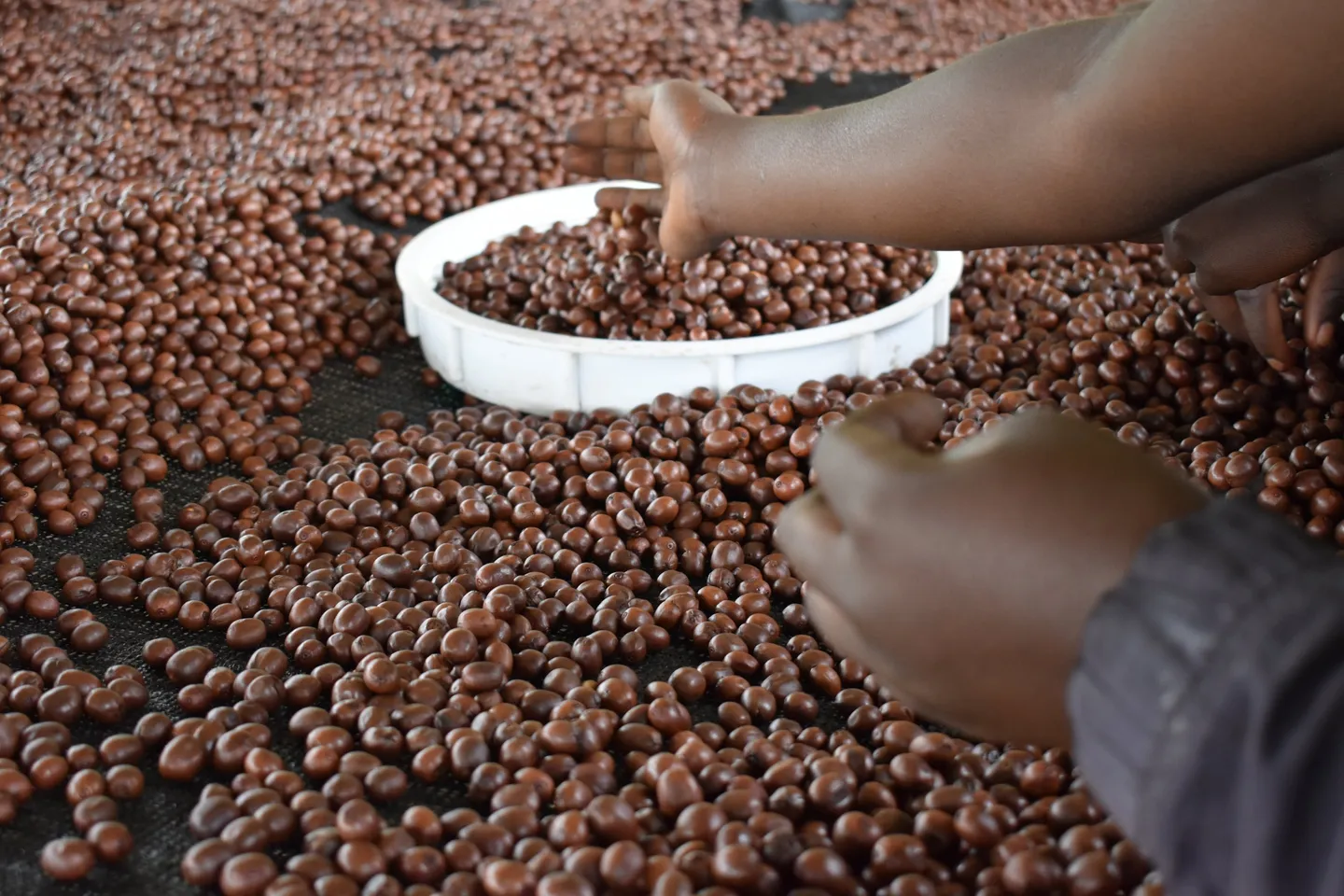
2. Kenya AA — Bold, Bright, and Unforgettable
Region: Central Highlands (Nyeri, Kirinyaga)
Flavor Profile: Blackcurrant, grapefruit, winey acidity
Roast Recommendation: Medium
Kenya’s AA-grade beans remain a symbol of excellence—large, dense, and bursting with flavor. Expect a vibrant, juicy acidity that cuts through milk-based drinks and shines in espresso.
In 2025, look for estate coffees processed under the “Kenya Peaberry” program, a new traceability initiative improving farmer returns.
3. Rwanda Bourbon — The Sweetheart of Africa
Region: Gakenke, Nyamagabe
Flavor Profile: Red fruits, honey, floral undertones
Roast Recommendation: Medium
Known for its balance and elegance, Rwandan Bourbon offers a sweet, silky cup with notes of plum and caramel.
The country’s strong washing station cooperatives ensure consistency and fair pay—making this one of the most ethical choices for conscious drinkers.
4. Tanzania Peaberry — Small Beans, Big Flavor
Region: Slopes of Mount Kilimanjaro and Mbeya
Flavor Profile: Chocolate, hazelnut, mild acidity
Roast Recommendation: Medium-dark
Peaberries are rare, forming when only one seed develops inside the cherry. The result? Denser beans and concentrated flavor.
Tanzanian peaberries are smooth, nutty, and chocolate-forward, ideal for espresso or cold brew lovers in 2025.
5. Uganda Bugisu Arabica — Bold and Earthy
Region: Mount Elgon, Eastern Uganda
Flavor Profile: Cocoa, molasses, warm spice
Roast Recommendation: Dark
Once overshadowed by its Robusta exports, Uganda’s Bugisu Arabica is now gaining recognition for its bold yet balanced flavor.
With increasing focus on shade-grown and organic certification, Bugisu coffee is becoming a sustainable favorite for roasters worldwide.
6. Burundi Kayanza — Bright and Elegant
Region: Kayanza Province
Flavor Profile: Citrus zest, apricot, floral notes
Roast Recommendation: Light
Burundi’s coffee has a crisp, clean flavor reminiscent of Kenyan profiles but with a softer, rounder finish.
In 2025, micro-lots from Kayanza and Ngozi are making waves at specialty auctions for their complex acidity and traceable farming practices.
7. Eritrea Highlands Coffee — A Hidden Gem
Region: Debub Highlands
Flavor Profile: Caramel, spice, subtle fruit
Roast Recommendation: Medium
Still a niche player, Eritrea’s emerging coffee scene deserves attention. Grown in high-elevation valleys with rich volcanic soil, these beans are smooth, balanced, and subtly spiced.
Expect to hear more about Eritrean cooperatives partnering with regional exporters in 2025.
8. Ethiopia Sidamo Natural — Fruity and Complex
Region: Sidamo, Southern Ethiopia
Flavor Profile: Blueberry, strawberry, chocolate
Roast Recommendation: Light
Sidamo’s naturally processed coffees are beloved for their fruit-forward intensity.
The 2025 harvest brings innovative honey-process lots with wild berry sweetness and chocolate undertones—perfect for adventurous palates.
9. Zambia Mafinga Hills — Smooth and Modern
Region: Northern Province
Flavor Profile: Butterscotch, almond, subtle acidity
Roast Recommendation: Medium
Zambia’s coffee renaissance continues, with new estates producing high-altitude Arabicas rivaling more established origins.
The Mafinga Hills beans deliver a creamy, low-acid cup, ideal for those who prefer a balanced profile without the brightness of Kenyan or Ethiopian coffees.
10. Ethiopia Harrar Longberry — Ancient and Bold
Region: Eastern Ethiopia
Flavor Profile: Dark chocolate, blueberry, spice
Roast Recommendation: Medium-dark
Harrar coffee represents the wild side of Ethiopia—naturally processed and sun-dried, producing bold, syrupy sweetness and heavy body.
It’s a favorite among those who love intense, dessert-like coffees with deep fruit and chocolate undertones.
☀️ How to Choose the Right African Coffee for You
| Preference | Recommended Origin | Why You’ll Love It |
|---|---|---|
| Fruity & Bright | Ethiopia Yirgacheffe / Sidamo | Vibrant acidity, floral notes |
| Bold & Full-Bodied | Uganda Bugisu / Tanzania Peaberry | Deep cocoa, nutty sweetness |
| Sweet & Balanced | Rwanda Bourbon / Zambia Mafinga | Smooth texture, caramel tones |
| Unique & Rare | Eritrea Highlands / Burundi Kayanza | Emerging terroirs, clean cup |
When buying in 2025, look for:
-
Direct-trade labels ensuring transparency
-
Fresh roast dates for optimal flavor
-
Washed or natural process info to match your taste preference
Sustainability Spotlight: Why 2025 Matters
African coffee’s growth story is also a sustainability success.
Many farms now embrace:
-
Agroforestry systems (shade-grown under native trees)
-
Women-led cooperatives improving community welfare
-
Carbon-neutral certifications supported by international partnerships
By choosing African coffee, consumers help preserve biodiversity and empower rural economies.
Conclusion: Taste the Future of Coffee
In 2025, African coffee stands as the benchmark for quality and diversity.
From Ethiopia’s historic roots to new origins like Zambia and Eritrea, every region offers a flavor journey worth exploring.
Whether you’re a casual drinker or a specialty connoisseur, the top 10 African coffee beans listed here are your passport to understanding why the future of coffee is African.
❓ FAQs - African coffee beans to try in 2025
1. What makes African coffee so special?
African coffees are grown at high altitudes in nutrient-rich soils, producing bright acidity, fruity complexity, and floral aromas unmatched by other regions.
2. Which African coffee is best for espresso?
Try Uganda Bugisu Arabica or Tanzania Peaberry for a smooth, chocolatey espresso with rich crema.
3. What’s the most famous African coffee?
Ethiopia Yirgacheffe remains the world’s best-known African coffee, prized for its floral and citrus profile.
4. Are African coffees ethically sourced?
Yes—many are produced through cooperative systems and direct trade, ensuring fair compensation and sustainability.
5. What brewing method suits African beans best?
Light-roasted African beans shine with pour-over or Chemex, while medium-dark roasts suit espresso and French press.