Coffee Arabica: The Ultimate Guide to the World’s Most Beloved Coffee Bean
TL;DR
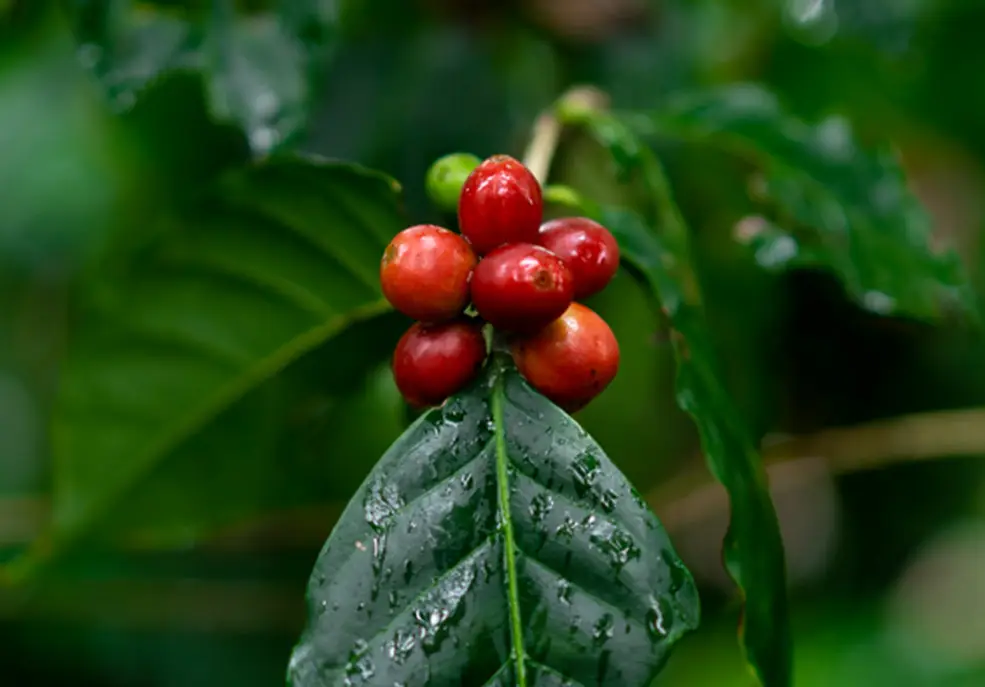
Arabica coffee is the most popular coffee bean globally, renowned for its smooth flavor, complex aroma, and lower caffeine content compared to Robusta. Originating in Ethiopia, Arabica thrives in high-altitude regions with stable climates. This guide covers its history, varieties, cultivation, roasting profiles, brewing methods, and tips for choosing and storing the best beans.
Introduction: Why Arabica Coffee Rules the World
Coffee Arabica is often considered the gold standard of coffee. Representing about 60–70% of global coffee production, it is loved for its mild flavor, aromatic complexity, and low bitterness. Unlike Robusta, Arabica grows in higher altitudes and requires careful cultivation, which contributes to its superior taste and higher market value.
Whether you're a coffee enthusiast or a casual drinker, understanding Arabica is key to appreciating why a simple cup of coffee can feel so luxurious.
The Origins of Arabica Coffee
Arabica coffee originates from the Ethiopian highlands, where wild coffee plants have been growing for centuries. Legend has it that a goat herder named Kaldi discovered the energizing properties of coffee after noticing his goats became more lively after eating the beans.
From Ethiopia, Arabica spread to the Arabian Peninsula, especially Yemen, in the 15th century. The word “coffee” itself comes from the Arabic word qahwa, reflecting the deep cultural ties the region has with this bean. Today, Arabica is grown in regions worldwide, including South America, Central America, Africa, and Asia.
Arabica Coffee Varieties
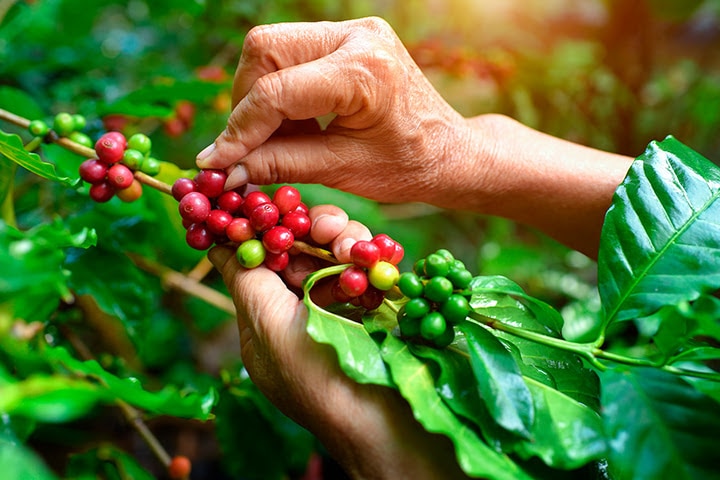
Arabica coffee isn’t just one type of bean—it has multiple varieties, each offering unique flavors:
-
Typica – The original Arabica variety; smooth and balanced.
-
Bourbon – Sweeter and fruitier than Typica.
-
Caturra – A mutation of Bourbon; small plants that thrive in higher altitudes.
-
Gesha (Geisha) – Famous for its floral aroma and complex flavors.
-
SL28 and SL34 – Kenyan varieties known for bright acidity and berry notes.
Each variety has its own ideal growing conditions, and specialty coffee roasters often highlight the bean’s origin and type for their flavor profiles.
Where Arabica Coffee Grows Best
Arabica beans need stable temperatures, high altitudes, and shaded environments. Major Arabica-producing countries include:
-
Ethiopia – Birthplace of Arabica; known for floral, winey flavors.
-
Kenya – Bright acidity with berry undertones.
-
Colombia – Smooth and balanced with chocolate and nutty notes.
-
Brazil – Nutty and sweet; the largest global producer.
-
Costa Rica – Crisp acidity and full-bodied taste.
-
Rwanda & Burundi – Complex, fruity flavors from volcanic soils.
Altitude matters: Arabica typically grows at 600–2,000 meters above sea level, which slows bean maturation and enhances flavor development.
Arabica vs Robusta: What’s the Difference?
Understanding why Arabica is prized requires a comparison with Robusta:
| Feature | Arabica | Robusta |
|---|---|---|
| Caffeine | 0.8–1.4% | 1.7–4% |
| Flavor | Smooth, aromatic, complex | Strong, bitter, earthy |
| Growing Conditions | High altitude, shaded | Low altitude, more resilient |
| Price | Higher | Lower |
| Popular Use | Specialty coffee | Instant coffee, espresso blends |
Arabica’s lower caffeine content and refined flavor make it the preferred choice for most specialty coffee drinks.
Roasting Arabica Coffee
Roasting transforms green beans into the aromatic brown beans we know and love. Arabica responds well to light and medium roasts, which preserve the delicate floral and fruity notes. Dark roasts are also possible but may mask its complexity.
Roasting Tips:
-
Light Roast: High acidity, subtle sweetness, and complex aromatics.
-
Medium Roast: Balanced body and flavor; ideal for most brewing methods.
-
Dark Roast: Bold and full-bodied; works well for espresso but may lose nuanced flavors.
Brewing Methods for Arabica Coffee
Arabica shines in various brewing techniques:
-
Pour-over: Highlights delicate aromas and clean flavors.
-
French press: Full-bodied extraction; richer taste.
-
Espresso: Concentrated and intense; pairs well with milk.
-
Cold brew: Smooth, sweet, low-acid profile for refreshing drinks.
Choosing the right method depends on your preference for acidity, body, and flavor clarity.
Tips for Buying and Storing Arabica Coffee
-
Look for Freshness: Buy whole beans roasted within the last 2–4 weeks.
-
Check Origin: Single-origin Arabica often offers distinctive flavor profiles.
-
Grind Just Before Brewing: Preserves aroma and flavor.
-
Store Properly: Keep beans in an airtight container away from sunlight, heat, and moisture.
Frequently Asked Questions (FAQs)
Q1: Is Arabica coffee healthier than Robusta?
A1: Arabica has slightly lower caffeine and more antioxidants, making it gentler on the stomach.
Q2: Can Arabica coffee be used in espresso?
A2: Absolutely! While it’s milder than Robusta, it creates smooth and aromatic espresso, often blended with a small portion of Robusta for crema.
Q3: Why is Arabica more expensive?
A3: It’s more delicate to grow, less resistant to pests, and requires higher altitudes, making cultivation costlier.
Q4: What flavors are typical in Arabica coffee?
A4: Arabica is known for floral, fruity, nutty, chocolatey, and sometimes winey notes, depending on the origin and roast.
Conclusion
Arabica coffee isn’t just a beverage—it’s a global phenomenon rooted in culture, tradition, and craftsmanship. From the highlands of Ethiopia to the bustling cafes of London and New York, Arabica captivates coffee lovers with its smooth taste, complex aromas, and versatility. Understanding its origins, varieties, and brewing methods enhances every cup, making it the world’s most beloved coffee bean.